Your first week of remote work is usually a mix of relief and mild panic. The commute disappears, the kitchen is right there, and nobody minds if you wear slippers to the morning meeting. Then the broadband drops mid-call, your flatmate starts hoovering, and you realise you have been sitting on a dining chair for six hours.
None of this is complicated to fix. It just needs a bit of thought before the problems pile up. What follows is a practical starting point for anyone new to working from home in the UK, covering the kit worth having, how to behave on camera, and how to stop the working day from swallowing the rest of your life.
Start with the kit that actually matters
You do not need a perfect studio. You need a setup that lets you work for a full day without pain and lets other people hear you clearly. Most employers in the UK provide a laptop, and some offer a budget for a chair or monitor, so it is worth asking before you spend your own money. Terms vary, and anything you buy for work may have tax or expenses implications, so check your contract or ask HR before assuming you can claim it back.
If you are funding it yourself, spend in this order.
- A chair you can sit in for hours. This matters more than anything else on the list. An adjustable height, a backrest that supports your lower back, and feet flat on the floor or a footrest.
- A screen at eye level. A monitor, or a laptop stand plus a separate keyboard and mouse. Craning down at a laptop all day is what sends most new remote workers to the physio.
- Decent audio. A headset with a microphone beats the laptop's built-in mic every time, especially in rooms with hard floors and bare walls.
- Reliable broadband. If your connection is patchy, test your speed at different times of day and know how to tether your phone as a backup.
- Lighting. Sit facing a window rather than with your back to one, so your face is lit instead of silhouetted on camera.
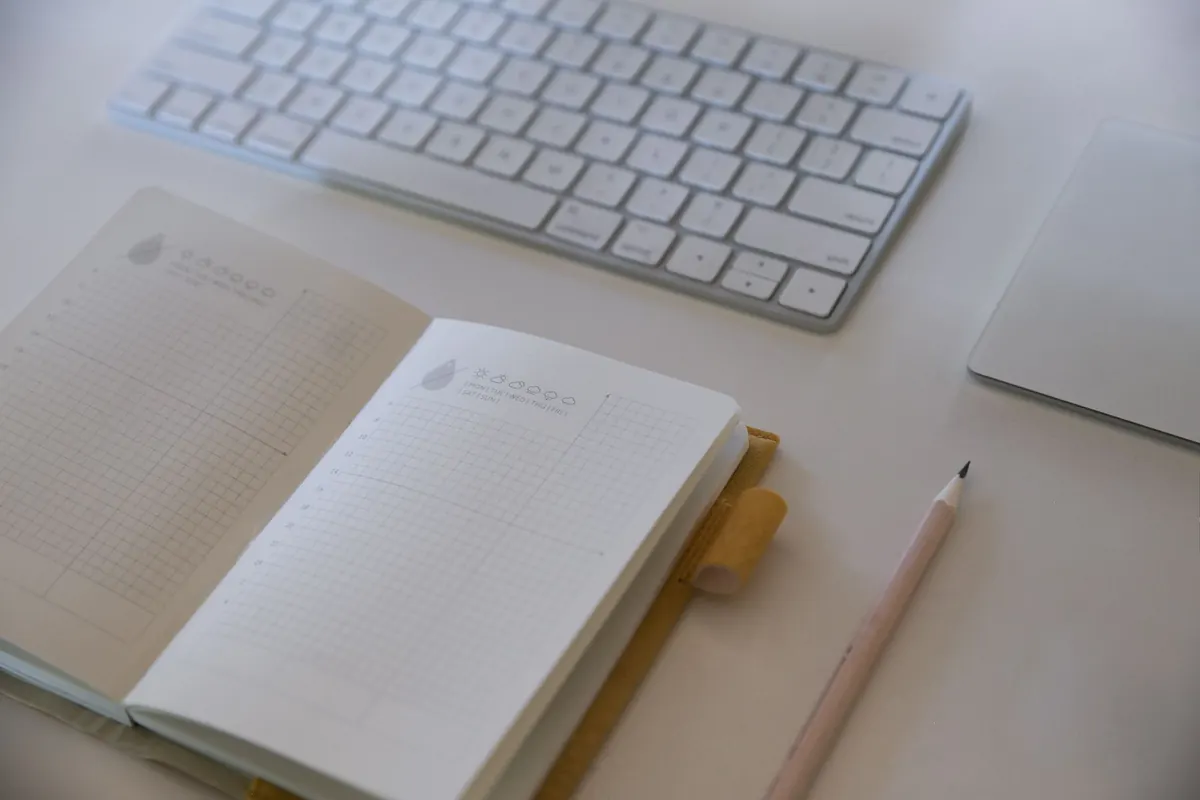
Small extras that earn their place: a power strip within reach, a laptop riser if your desk is low, a notebook for the thoughts that arrive mid-task, and a pair of headphones with a cable, in case the Bluetooth ones run out halfway through an interview.
Set up a workspace you can close the door on
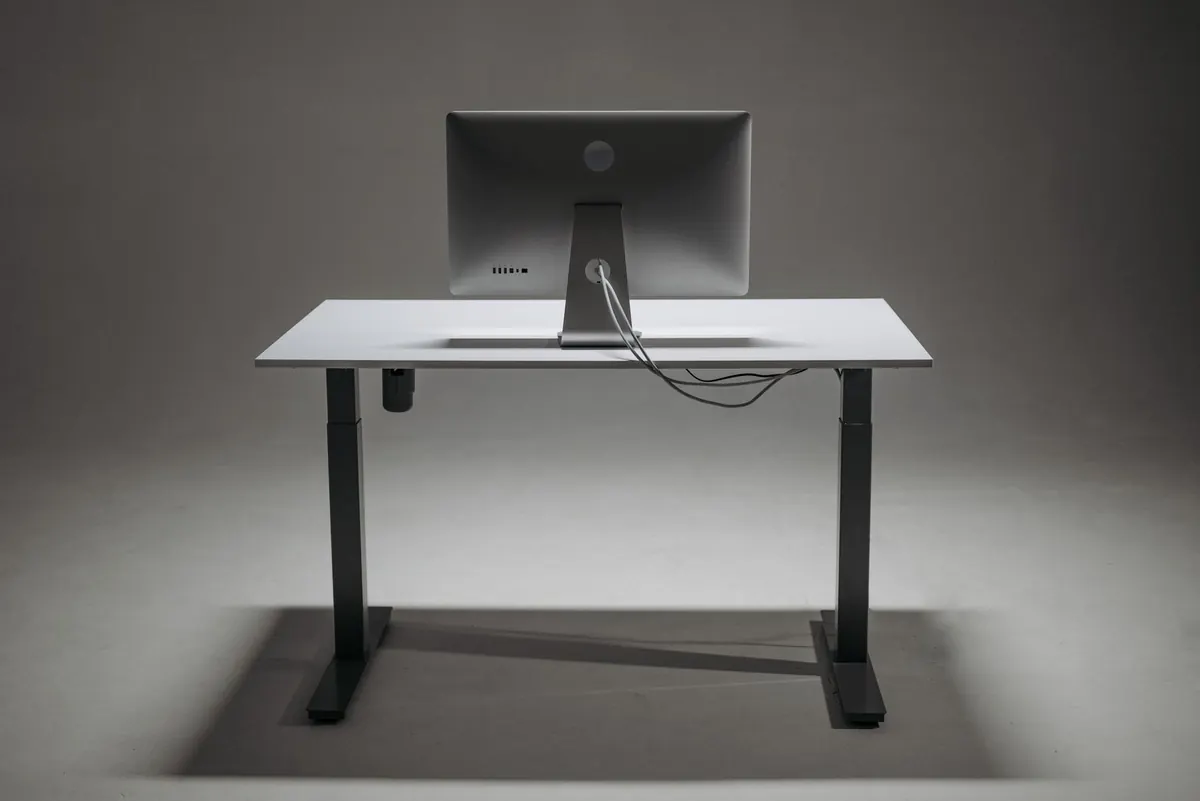
Ideally, work happens in one place. A spare room is a luxury, but a corner of a bedroom with a desk facing the wall works well too. The point is that when you leave that spot, the working day has a physical ending.
If you have no spare corner at all, use a box or a drawer. Everything work-related goes in it at the end of the day: laptop, notebook, headset, charger. The desk becomes the kitchen table again. It sounds fussy, but the routine of putting things away is what stops work from leaking into the evening.
Tell the people you live with what you need
Have an honest conversation early. Agree which hours you cannot be interrupted, and what counts as an emergency. If you are on calls most of the morning, ask for quiet then and offer to take the dog out at lunchtime in return. Most household friction comes from nobody having said anything out loud.
Video call etiquette that keeps you employable
Nobody expects cinema quality. They do expect you to be audible, visible and present.
- Join a minute early. Test your mic and camera before the call starts, not after you have been asked a question.
- Mute when you are not speaking if there are more than three people. Background noise travels further than you think.
- Look at the camera when you talk, not at the faces on screen. It feels unnatural for about a week.
- Say your name when you speak on larger calls. "It's Priya, I'd add..." saves everyone a few seconds of guessing.
- Keep your background tidy and avoid sitting with a bright window behind you. A plain wall and a lamp in front works better than any virtual background.
- Give a heads-up if you need to leave. "I'll drop at half past for a school pick-up" is perfectly normal and far better than vanishing.
- Type questions in the chat if the meeting is being recorded or someone is presenting, rather than interrupting.
One more habit worth building: after a call, write two or three lines of notes and send them to whoever needs them. Remote teams run on the written word, and the person who summarises decisions clearly becomes quietly indispensable.
Draw boundaries before they draw themselves
The hardest part of remote work is not the technology. It is the fact that work is now twenty feet away at all times, and it is very easy to answer one email at nine in the evening, then another at ten.
Try these. Set a start time and a finish time, and treat the finish as a real appointment. Create a shutdown routine: close the laptop, tidy the desk, write tomorrow's three priorities on a sticky note, then walk away. If you use a work phone or laptop, turn notifications off after hours rather than relying on willpower. And take a proper lunch break away from the desk, ideally outside, because the day otherwise blurs into one long, low-grade slog.
Protect the start of the day too
Many people find it helps to begin with something that is not email. A short walk, a coffee made properly, ten minutes planning. Opening your inbox at 7.30am means someone else sets your agenda for the day.
If you are self-employed or freelance, the boundary questions get bigger: how much you work, what you charge, and what you are contracted to deliver. Those are worth taking proper advice on rather than guessing.
A short checklist for your first fortnight
Ask about any equipment budget. Sort out a chair that does not hurt. Get your screen to eye level and your microphone working. Agree quiet hours with the people you live with. Set a finish time and stick to it for two weeks. Book one regular call with a colleague purely to talk, because isolation creeps up quietly on people who are new to this.
Get those things right and remote work stops feeling like an experiment. It simply becomes how you do your job, with a better kettle and no commute.
Photo: Pexels / Pixabay